GHS2026 Attained Carbon Neutrality
The Global Health Security Conference 2026 continued our commitment to delivering more sustainable events.
Through our partnership with Carbon Neutral, GHS2026 measured, managed and offset the greenhouse gas emissions associated with the conference, supporting our goal of reducing the environmental impact of bringing the global health security community together.
This initiative reflects our wider commitment to environmental stewardship and to embedding sustainability into the way we plan and deliver future Global Health Security Conferences.
The offsets supported verified international carbon projects, helping to contribute to meaningful climate action beyond the event itself.
To learn more about the offset projects supported through GHS2026, please explore the information below.
Which Projects Were Offset by GHS2026?
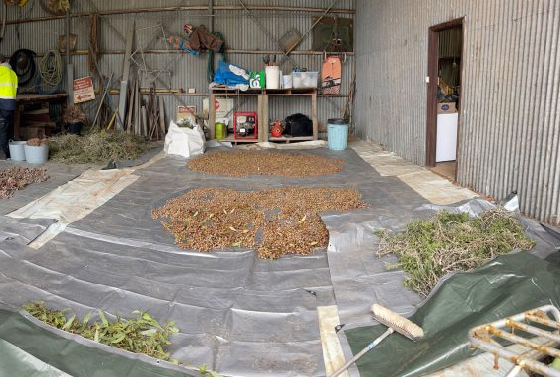
Wilyun Pools is a biodiverse reforestation carbon offset project located on Menang Noongar Country in south-west Western Australia, around one hour from Albany. Developed by Carbon Neutral with Wollemi, Wirlomin Noongar Language and Stories Group, Gondwana Link and other partners, the project restores 24 hectares of former pastureland with more than 40 native species and is expected to deliver approximately 7,600 tCO₂e in emissions reductions over 50 years.
The project also supports First Nations cultural and land outcomes, including Wirlomin’s use of Wilyun Pools as a cultural home base, involvement in project operations, revenue sharing, and a pathway to full ownership over time. It contributes to important habitat restoration within the broader Gondwana Link landscape.
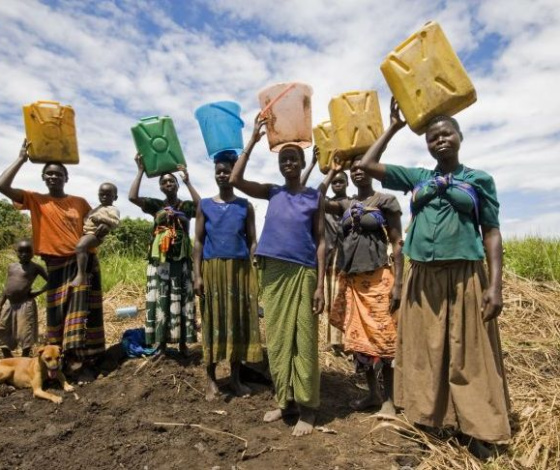
The Ugandan Safe Water Project in Lango is the world’s first carbon initiative certified under the Gold Standard’s Gender Equality Framework. It ensures gender-sensitive operations and benefits women by providing safe water through rehabilitated hand-powered boreholes in remote rural areas. Implemented by a Ugandan team in collaboration with the Ministry of Water and Environment, annual water quality tests ensure safety.
The project targets Northern districts heavily affected by conflict, aiming to restore water infrastructure devastated by the Lord’s Resistance Army insurgency. By alleviating reliance on contaminated water sources and hazardous cooking methods, especially affecting women burdened with domestic responsibilities, the initiative promotes health, education, and economic opportunities.
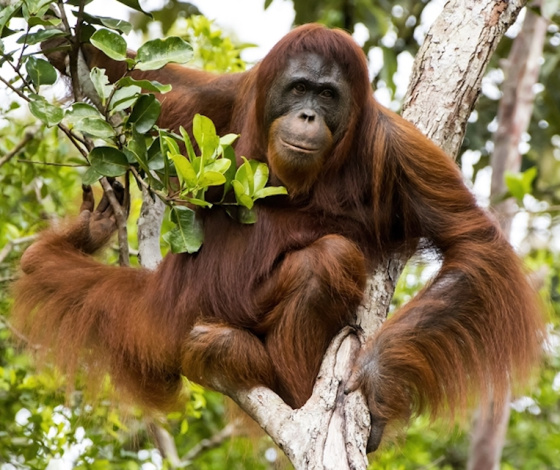
The Rimba Raya Biodiversity Reserve Project safeguards 65,000 hectares of tropical peat swamp forest, preserving habitat for endangered species like orangutans and maintaining cultural ties with local communities.
Amid Indonesia’s significant palm oil production, which threatens forests like Rimba Raya, the project leverages the global carbon market to compete with commercial interests while delivering crucial social and environmental benefits. It prioritizes biodiversity conservation and ecosystem preservation alongside community-driven initiatives. These include enhancing access to clean water, promoting equitable job opportunities, establishing healthcare and education facilities, and deploying renewable energy solutions.
Community involvement has been central to the project’s planning and implementation, ensuring its alignment with local needs and aspirations. By also safeguarding the adjacent Tanjung Puting National Park through a buffer zone, rigorous monitoring, and protective measures, Rimba Raya contributes to all 17 United Nations Sustainable Development Goals.
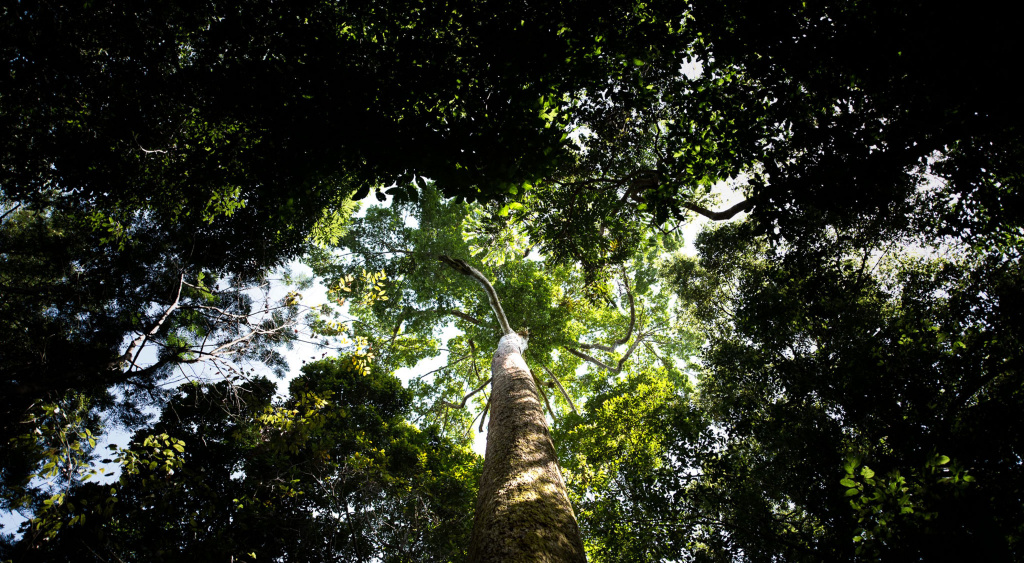
The Mai Ndombe REDD+ Project in the Democratic Republic of the Congo spans 248,956 hectares, safeguarding forests from industrial logging, unsustainable fuel wood extraction, and slash-and-burn agriculture. Verified Carbon Standard (VCS) validation ensures carbon benefits, while Climate, Community, and Biodiversity (CCB) standards guarantee significant socio-economic co-benefits.
Developed jointly by ERA-Ecosystem Restoration Associates Inc. and Wildlife Works Carbon LLC, the project aims to combat deforestation and enhance local livelihoods. It introduces the innovative VM0009 methodology for Avoided Deforestation, approved by VCS, projecting to mitigate over 175 million metric tons of CO2-equivalent emissions over 30 years. This initiative marks a pioneering effort in the Congo Basin, integrating conservation with sustainable development.
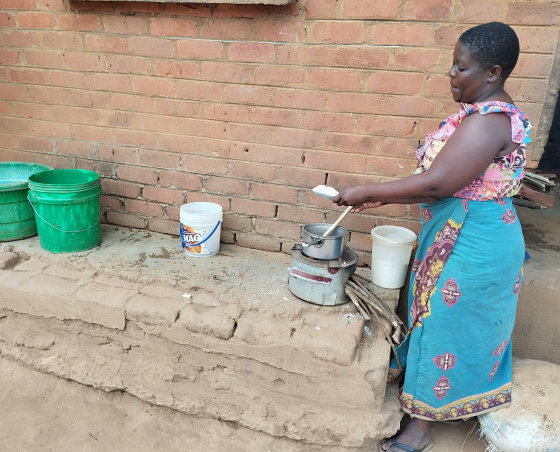
Improved Cook Stoves, Malawi – The M’tetezi cook stove, locally manufactured in Malawi, offers efficient cooking by using one or two pieces of wood. Its design creates a draft that enhances combustion efficiency, reducing firewood usage compared to traditional methods.
This innovation significantly lowers greenhouse gas emissions and indoor air pollution, benefiting household health, particularly for women and children susceptible to respiratory issues. By cutting down time spent gathering firewood, especially for children and mothers, the stove frees up resources for other essential needs like food and healthcare.
Moreover, promoting local production of Improved cookstoves in Balaka not only brings these health and efficiency benefits but also fosters rural employment through community-driven production and distribution.
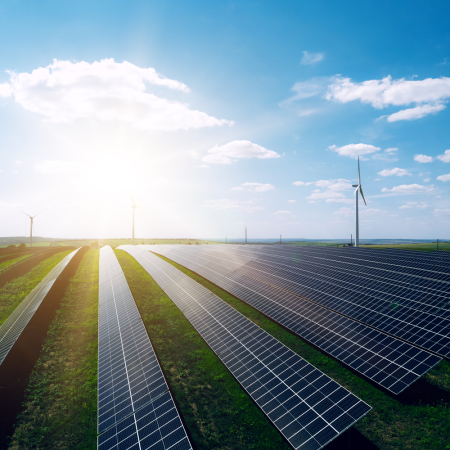
The ACME Bundled Solar Photovoltaic Project is a large-scale renewable energy initiative delivering clean, grid-connected solar power across multiple locations in India. With 1,207.5 MW of installed capacity, the project replaces coal-based electricity, supports rural employment and infrastructure, and is expected to reduce more than 20.7 million tonnes of CO₂-e over 10 years. Registered under Verra’s Verified Carbon Standard, it also helps scale future solar projects through carbon finance.
Supported By

- Welcome
- GHS2026
- Registration
- Registration
- Calls For Abstracts
- Calls For Abstracts
- Travel Bursaries
- Information
- About Kuala Lumpur
- Accommodation
- Visa information
- Latest News